Walk into any modern vein diagnostics clinic and you can feel the choreography within minutes. Patients shift from a quiet intake room to a dimmed ultrasound suite, then to a consult where films and findings become a plan. It looks straightforward from the outside. Under the surface, it is a disciplined process that blends physiology, imaging physics, and procedural judgment. When it runs well, patients get relief faster and avoid unnecessary procedures. When it falters, weeks can be lost chasing symptoms without a diagnosis.
I have spent years in vein and vascular clinics, from busy urban centers to private vein clinics housed in outpatient settings. The fundamentals remain consistent: listen well, examine patiently, image with intent, treat precisely, and follow the vein back to its source. What changes are the skill sets, the technology mix, and the ability to say not yet when a leg looks dramatic but the hemodynamics say otherwise. Here is how a professional vein clinic approaches ultrasound and the broader diagnostic toolkit that supports decisions.
What a dedicated vein diagnostics clinic actually does
A vein diagnostics clinic is not just a place to spot bulging varicosities or zap spider veins. It focuses on the entire venous system in the limbs, pelvis, and sometimes abdomen, because problems in one segment often originate elsewhere. The team looks for reflux, obstruction, or a combination that explains swelling, aching, heaviness, skin discoloration, restless legs, and ulcers. In a comprehensive vein clinic, the ultrasound suite is the heartbeat, the procedure room is the muscle, and the consult is the brain that ties it all together.
The better clinics deliver continuity. The same tech who scanned you last month remembers the tortuous tributary near your knee. The vein care specialists, whether surgeons, interventional radiologists, or phlebologists, compare today’s waveform to last season’s, not a generic normal. That context is where clinical nuance lives. Anyone can label a saphenous vein incompetent. The judgment comes in deciding if the reflux is clinically meaningful, whether it’s a driver or a bystander, and which target offers the best return on a patient’s recovery time.
A practical roadmap of the first visit
Most referrals to a vein consultation clinic arrive with a symptom story: aching after long days, ankle swelling that loosens with rest, clusters of spider veins that burn, a lump that worried a primary care physician about a blood clot. Intake should capture more than a checklist. Gravity matters in venous disease. Capturing when symptoms peak, how elevation changes the leg, and whether compression feels better paints an early hemodynamic picture.
Vital details that shape the first ultrasound include pregnancy history, prior deep vein thrombosis, surgery on the pelvis or abdomen, long-haul flights, hormonal therapy, and family patterns. A trick I learned from an old-school vein doctor clinic mentor: if a patient points to the inner thigh and groin as the epicenter of heaviness, you must keep pelvic obstruction on the list even if the leg doesn’t look dramatic. That instinct has saved more than one patient months of piecemeal treatment.
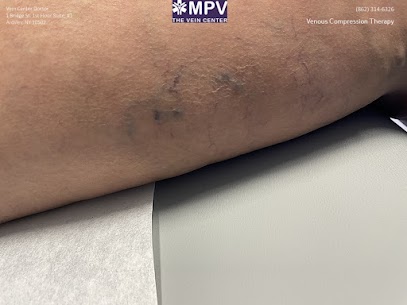
A thorough physical exam still earns its place. I watch the ankles fill after two minutes of quiet standing and map tender cords or perforator zones by fingertip. Skin tells stories, especially around the inner ankle: bronze discoloration, eczema, atrophie blanche, or subtle venous matting. I also check dorsalis pedis and posterior tibial pulses every time. Arterial insufficiency is not common in this cohort, but missing it can turn a reasonable compression plan into trouble.
Ultrasound, the workhorse
Duplex ultrasound is the backbone of any vein evaluation clinic. When a technologist understands venous hemodynamics and a clinician knows which questions to ask, duplex answers them with speed and clarity.
The essentials of a diagnostic scan for chronic venous insufficiency look like this: the patient is scanned upright or in reverse Trendelenburg to let gravity do its work; the common femoral vein is assessed first, then the great saphenous vein and its branches down to the knee and calf; the small saphenous and popliteal areas get equal attention; perforators are mapped where symptoms or skin changes suggest local reflux. The technologist uses augmentation maneuvers and Valsalva to test valves, and measures reflux times. Most clinics consider greater than 0.5 seconds pathologic in superficial veins and greater than 1.0 second in deep veins, though context matters. A frail patient with poor calf muscle pump may show sluggish flow that mimics reflux but reflects deconditioning.
For suspected deep vein thrombosis, compression ultrasound remains the frontline test. A vein that fails to compress fully is a vein that likely harbors thrombus. Color Doppler helps with equivocal segments. Where I see scans go astray is in the calf, where paired veins hide and small thrombi get missed if the protocol rushes. A good vascular vein clinic slows down below the knee and revisits any segment that felt uncertain on first pass.
Ultrasound also guides procedures. In a vein ablation clinic, mapping helps mark access points and a safe perivenous path for tumescent anesthesia. In a vein removal clinic doing ambulatory phlebectomy, preprocedure mapping identifies tributaries worth tackling in one sitting versus those likely to decompress after main-trunk closure.
Beyond ultrasound: when and why to use other tests
Most leg complaints resolve down to careful clinical work plus high-quality duplex. Still, a modern vein diagnostics clinic keeps other options ready when questions persist.
Magnetic resonance venography or contrast-enhanced CT venography comes into play when duplex suggests a pelvic or abdominal obstruction, or when unilateral swelling persists without a good explanation below the groin. I order cross-sectional imaging if the common femoral flow pattern screams upstream resistance, if the iliac vein is not well visualized, or if the patient’s story points to iliac compression after pregnancy or surgery. For classic May-Thurner physiology in a symptomatic patient, pelvic MRV can show the compression and collateral pathways clearly enough to move a case from speculation to plan.

Intravascular ultrasound, IVUS, belongs in the hands of a venous intervention clinic with experience. IVUS measures vein diameter and finds webs or spurs that no venogram shows fully. It turns a borderline iliac lesion into a measurable problem with percent stenosis that can justify stenting. I do not use IVUS lightly. It is invasive, it adds cost, and not every narrowed vein needs a stent. But when ulcers will not heal and duplex shows a strong proximal signal, IVUS can be the difference between endless wound care and durable relief.
Venography, despite its age, still offers real-time road mapping during interventions. It can also help when the anatomy defies ultrasound, such as in a severely obese patient with deep-seated iliac vessels. For surface mapping of spider veins and reticular patterns, transillumination and near-infrared devices have a role in a spider vein clinic, mostly to improve accuracy during sclerotherapy and limit the number of sticks.
Photoplethysmography and air plethysmography, once routine in venous labs, now serve a narrower niche. They quantify refilling times and calf pump function, which can help a vein circulation clinic when ultrasound findings are borderline but symptoms suggest a global pump failure. I use them selectively in athletes with exertional leg congestion or in patients where we suspect mixed arterial and venous disease.
Building a diagnosis that fits the person
A test does not equal a diagnosis. The day’s work is to integrate symptoms, exam, duplex findings, and the patient’s goals. The CEAP classification (Clinical, Etiologic, Anatomic, Pathophysiologic) helps standardize descriptions, especially for shared care between a vein care center and primary teams. But I don’t treat CEAP stages; I treat people who need their legs to carry them comfortably through work, caregiving, and the next chapter.
This is where a vein specialist clinic earns trust. Take a 42-year-old teacher with aching calves by the end of each day, a few visible varicosities, and a duplex that shows short-segment reflux at the saphenofemoral junction. She wants a solution but has limited time off. The knee-jerk ablation of the entire great saphenous trunk looks definitive, but her symptoms may respond to targeted foam sclerotherapy of tributaries and a trial of well-fitted compression during the school term, reserving ablation for summer. A top vein clinic understands patient timelines as part of the medical plan.
On the other end is a 68-year-old with a medial ankle ulcer, rest pain at night that improves with leg elevation, and duplex evidence of both deep vein reflux and incompetent perforators. Here, conservative care alone will likely prolong suffering. A comprehensive vein clinic would stage care: address proximal superficial reflux with endovenous ablation, treat pathologic perforators if they are feeding the ulcer bed, and, if duplex and clinical signs point to outflow obstruction, escalate to pelvic imaging and possible iliac intervention. Better healing odds come from assembling the pieces in the right order.
Treatment options, framed by diagnostics
Because a vein diagnostics clinic usually lives within or alongside a vein treatment center, patients want to understand what comes next. Diagnostics shape every option’s risk, durability, and yield.
Endovenous thermal ablation, by radiofrequency or laser, closes the diseased segment of the great or small saphenous vein with high success rates when applied to the right candidates. The vein laser clinic and radiofrequency services are outpatient, and patients usually return to work within a day or two. The ultrasound mapping dictates the exact catheter path, the volume of tumescent anesthesia, and the landing zone to protect the saphenous nerve in the calf. Misjudging those details raises the risk of paresthesias or recanalization.
Nonthermal ablation methods, including mechanochemical ablation and cyanoacrylate closure, earn consideration in a non surgical vein clinic when tumescent anesthesia is undesirable or when the saphenous vein runs close to nerves. These approaches avoid heat, which can simplify recovery in select patients. Their outcomes look comparable for short to mid-length segments, though long-term data beyond five to seven years is still accumulating in some cohorts.
Sclerotherapy in a vein therapy clinic, using either liquid or foam, treats tributaries, reticular veins, and spider veins. The best results track to good ultrasound mapping and careful dosing. I caution patients that small vessel treatment focuses on appearance and local symptoms such as burning or itching. It does not fix deep reflux. When a varicose vein clinic treats surface clusters without addressing an incompetent trunk that feeds them, recurrence feels baked in. That is not a failure of sclerotherapy, it is a mismatch between problem and target.
Ambulatory phlebectomy removes bulging surface veins through tiny incisions. It pairs well with ablation when tributaries cause pain or are unlikely to collapse after trunk closure. A vein procedure clinic that modulates these steps in one visit reduces recovery time. Again, ultrasound planning matters. Removing a tributary that still drains significant territory because a deeper pathway is blocked can worsen swelling.
Stenting for iliac vein compression, done by a vein intervention clinic or vascular treatment clinic, treats patients with proven outflow obstruction and significant symptoms or nonhealing ulcers. Here IVUS shines, defining the landing zones and sizing the stent. The risks include stent migration and, rarely, thrombosis. Patients often ask why a leg problem needs a pelvis solution. The answer is physics. If blood cannot exit the limb easily, the best-done calf or thigh procedure still fights a headwind.
The quiet power of conservative care
It is tempting for a modern vein clinic to lead with procedures. The wise ones protect room in the plan for conservative measures. Good compression, fitted properly, reduces reflux-related pooling and can outpace any single intervention for symptom relief in mild to moderate disease. I ask patients to trial graduated stockings with 20 to 30 mmHg for two weeks before major decisions, unless there is an ulcer or acute clot that demands urgency. This test validates the venous mechanism and identifies people who find compression intolerable.
Calf muscle pump training works. Heel rises, ankle pumps, brisk walking, and scheduled breaks from prolonged standing or sitting improve outflow and can reduce evening swelling. Weight management helps, though the payoff takes time. For those who sit long hours, a footrest that encourages ankle motion, periodic desk breaks, and, if tolerable, knee-high compression can tip the balance.
Lifestyle strategies should not be an afterthought. A vein wellness clinic that sends patients home with one page of clear, individualized instructions, rather than a binder of generic advice, sees better adherence. If a patient cleans houses for a living, their compression plan vein clinic Ardsley should acknowledge stairs, wet floors, and heat. If another runs a warehouse forklift, the plan should detail movement breaks and safe stocking choices.
When pain is not purely venous
A skilled vein care clinic recognizes when the leg pain story drifts away from venous disease. Classic venous symptoms worsen with standing, improve with elevation, and often cluster around the calf and ankle with a heavy, aching quality. Neurogenic pain can mimic this with burning or tingling that climbs above the knee. Joint disease produces focal tenderness that ultrasound cannot explain. If duplex shows only trivial reflux and no obstruction, and the pain remains severe and localized to the knee or hip, it is time to widen the lens. Maintaining good relationships with orthopedics, neurology, and pain specialists elevates a vein clinic from silo to team.
One memorable patient insisted her left leg heaviness had to be a vein issue because the right looked worse. The duplex confirmed right-sided reflux and clean flow on the left. We kept digging and found that her left lower back herniation was the primary driver. Physical therapy and an epidural injection solved the issue that an ablation would not have touched. Avoiding unnecessary procedures builds a trusted vein clinic reputation faster than any advertisement.

Safety, quality, and what to look for in a clinic
Not all vein clinics are created equal. The signs of a trusted vein clinic are subtle but telling. Experienced sonographers who perform consistent, reproducible studies. Physicians who show you your own images, not stock diagrams. A clear process for anticoagulation management in patients with DVT, atrial fibrillation, or previous clots. A standing protocol for postablation surveillance to detect rare endovenous heat–induced thrombosis extending into the deep system. A willingness to stage care, rather than doing every possible procedure because the schedule allows it.
If you are searching phrases like vein specialists near me or best vein clinic, consider what matters more than proximity. A certified vein clinic or experienced vein clinic will be transparent about outcomes, complication rates, and revision rates. Ask how often they reassess after the first intervention. Durable care often involves a follow-up ultrasound two to six weeks after ablation, sclerotherapy touch-ups at defined intervals, and a plan for maintenance. A modern vein clinic also respects cost. Treating a tributary cluster with foam before ablation might save a day of work for a self-employed patient, even if the end goal remains trunk closure.
Special populations and edge cases
Pregnancy and the postpartum period challenge any vein health clinic. Hormonal shifts and mechanical compression by the uterus create reflux that often recedes months after delivery. Intervening too early can lead to over-treatment. Support stockings, position changes, and expectant management usually take the lead unless thrombosis occurs. When DVT strikes during pregnancy, coordination between obstetrics, hematology, and a venous disease clinic becomes vital. Ultrasound surveillance and appropriate anticoagulation protect mother and child; procedures are reserved for limb-threatening scenarios.
Athletes present a different puzzle. Calf bulk, dehydration, and prolonged static postures during travel can unmask venous issues. They rarely fit textbook patterns. I remember a cyclist with thigh fullness only during climbs. Duplex at rest was normal. A treadmill-based scan showed dynamic reflux at the saphenofemoral junction. A tailored ablation fixed the problem, but only because the vein evaluation clinic was willing to scan under stress.
Post-thrombotic syndrome in a chronic vein clinic demands patience. Deep venous scarring alters outflow. Even perfect superficial work may not relieve swelling fully. Compression, lymphedema therapy, and targeted intervention for clear iliac obstruction can improve quality of life. Setting expectations clearly at the start prevents frustration. I often use ranges: we may achieve 50 to 70 percent symptom relief with staged care, not an overnight cure.
Technology buzz vs. durable practice
It is easy to get distracted by the latest device in a vein medical clinic showroom. New catheters, adhesives, or laser wavelengths promise simpler procedures and less bruising. Some deliver incremental improvements. Others shine in narrow indications. The more useful advances are quieter: better image processing on ultrasound consoles that map tiny perforators more clearly, or software that standardizes reflux measurements across staff. Even practical additions, like adjustable tilt tables in a vein screening clinic, improve diagnostic quality by ensuring consistent positioning across patients.
Durable practice relies on systems rather than gadgets. A vein management clinic that audits its outcomes quarterly learns which patterns predict recanalization or matting after sclerotherapy. A vein restoration clinic that tracks patient-reported outcomes sees which interventions change daily life, not just anatomy. A private vein clinic that picks up the phone when a patient calls two days after a procedure with calf tenderness keeps small issues small.
What patients can do before and after diagnostics
Patients often ask how to prepare for a visit. You do not need to fast for a leg ultrasound. Hydrate normally. If you wear compression already, bring the pair that works and the pair that did not; the difference tells a story. Wear shorts or loose pants. Make a brief notes page on symptoms, including what a typical day looks like and when the leg feels best or worst. A clinic gets more from a 30-minute slot when the story is clear.
After diagnostics, ask to see your map. Images demystify a plan, and they become a baseline for the future. If the clinic recommends compression, ask for help with sizing and donning techniques. If a procedure is proposed, request an outline of what success looks like and how it will be measured: pain reduction, improved walking distance, ulcer size changes, or fewer evening cramps. Precision in goals improves satisfaction.
Here is a brief pre-visit checklist that patients have found helpful:
- Jot down peak symptoms by time of day and activity, including what relieves them. List prior clots, surgeries, pregnancies, and family vein issues. Bring current medications, especially blood thinners or hormones. Bring or wear shorts and your existing compression garments, if any. Note travel plans or work constraints that affect scheduling.
Where ultrasound ends and judgment begins
Ultrasound sees flow; it does not read minds. The best vein care specialists clinic understands both its strengths and blind spots. Duplex shows reflux and anatomy well below the groin, and it can hint at proximal obstruction. When the story points north, the clinic broadens the toolkit. When the scans show abnormalities that do not match the patient’s complaints, the clinic slows down, rechecks technique, or brings in another set of eyes. That humility is a safety feature.
Over time, patterns emerge. People sitting all day in call centers look different from chefs on their feet in hot kitchens. Long-haul drivers show a different edema signature than dancers rehabbing an ankle. A vein condition clinic that pays attention to these differences delivers more personalized care, while an outpatient vein clinic with a one-size-fits-all protocol misses nuances and sometimes over-treats.
The promise of coordinated venous care
The best outcomes happen when a vein and vascular clinic links diagnostics with thoughtful therapy and long-term stewardship. Not every patient needs a procedure. Not every varicose vein should be closed. Yet everyone deserves a clear explanation and a plan that respects their life outside the exam room.
In practical terms, that means a vascular vein center where ultrasound is performed in functional positions, by technologists trained in venous disease; a vascular clinic for veins that can escalate to MRV, CTV, or IVUS when appropriate; a vein treatment office that offers endovenous ablation, sclerotherapy, and phlebectomy without pressuring patients into bundled services; and a vein care office that follows through. It means a vein doctor clinic that coordinates with primary care for blood pressure and diabetes control, with dermatology for stubborn dermatitis, with wound care for ulcers. It means accepting that some venous disorders recur and planning for maintenance rather than promising magic.
People search for vein treatment specialists near me hoping for quick fixes. A professional vein clinic offers something better: a clear diagnosis, options explained in plain language, and a partnership that extends beyond a single appointment. Whether the solution is a new pair of perfectly fitted stockings or an iliac stent placed after IVUS confirms a choke point, the goal is the same. Less heaviness. Less worry. More life in the legs that carry you.